  • Arts & Humanities
  • Science & Technology
  • Health & Medicine
  • Alumni
  • On Campus
  • Books
Issues
  • About
  • Subscribe
  • Contact Us
  • School Abbreviations
  • Arts & Humanities
  • Science & Technology
  • Health & Medicine
  • Alumni
  • On Campus
  • Books

Health & Medicine

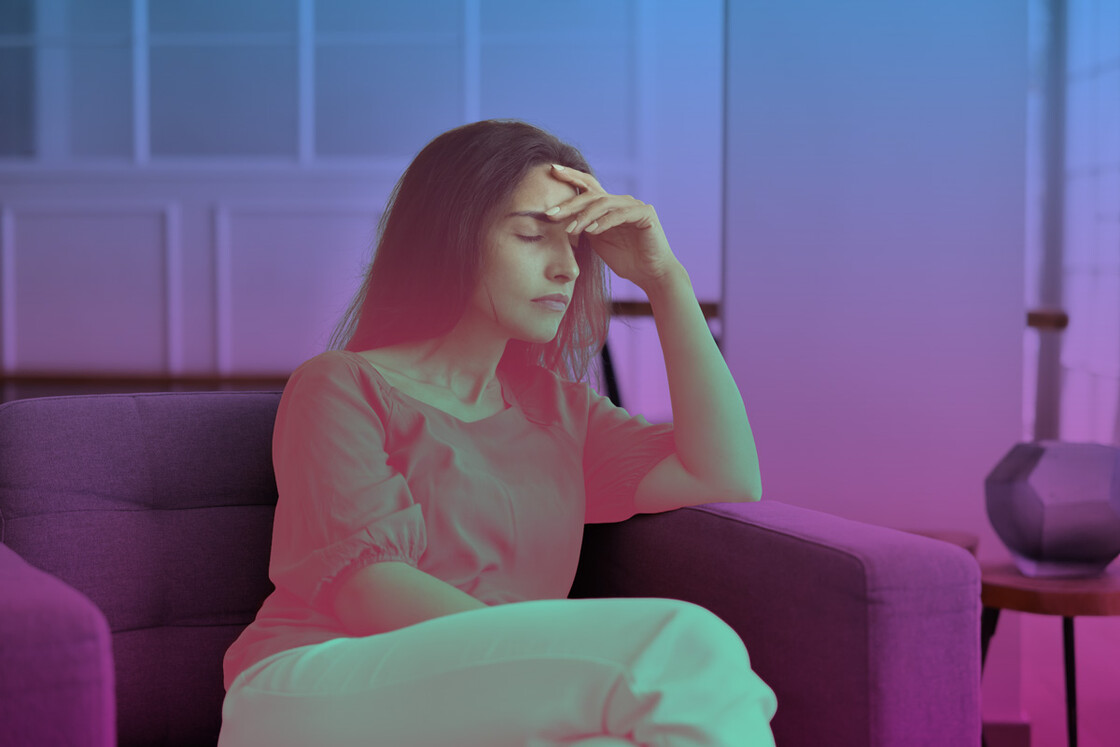
Photo of woman looking tired
Health & Medicine

Sleeping too Little (or too Much) Linked to Faster Aging, and Other Science News

The latest findings from Columbia researchers
Most Read
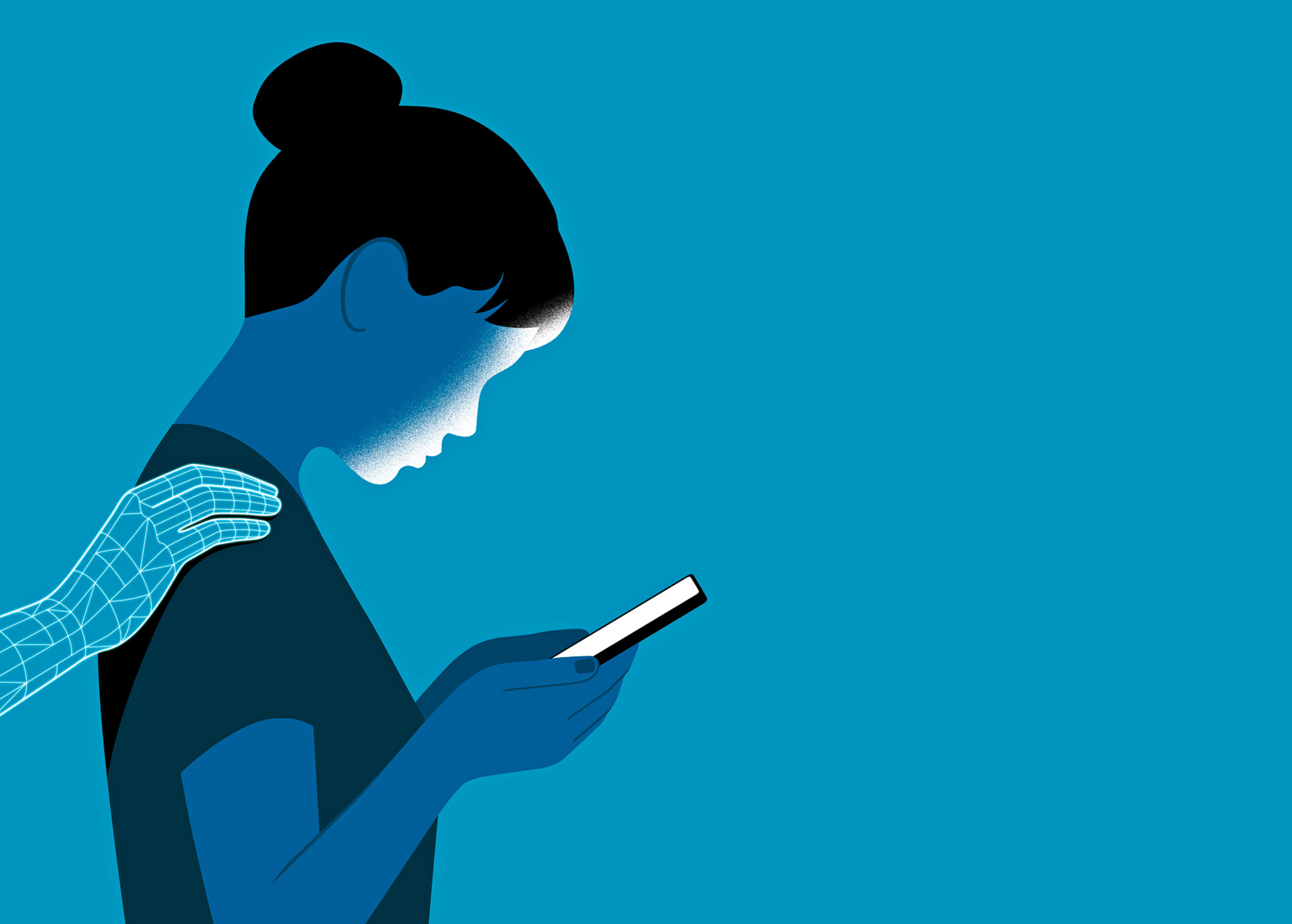
Illustration of a woman using Ai as a therapist

Your Chatbot Is a Terrible Therapist. Here’s Why.

Columbia clinicians are studying how ChatGPT and other AI tools may reinforce harmful beliefs and endanger vulnerable users

Photo of woman looking sadly at phone with blue light emanating

Why Depression Rates Are Higher Among Liberals

Columbia researchers look at the politics of despair

New York City apartment buildings

The Pollution Inside Your Home

Columbia researchers measured the air in and around New York City apartment buildings. What they found surprised them
More Stories

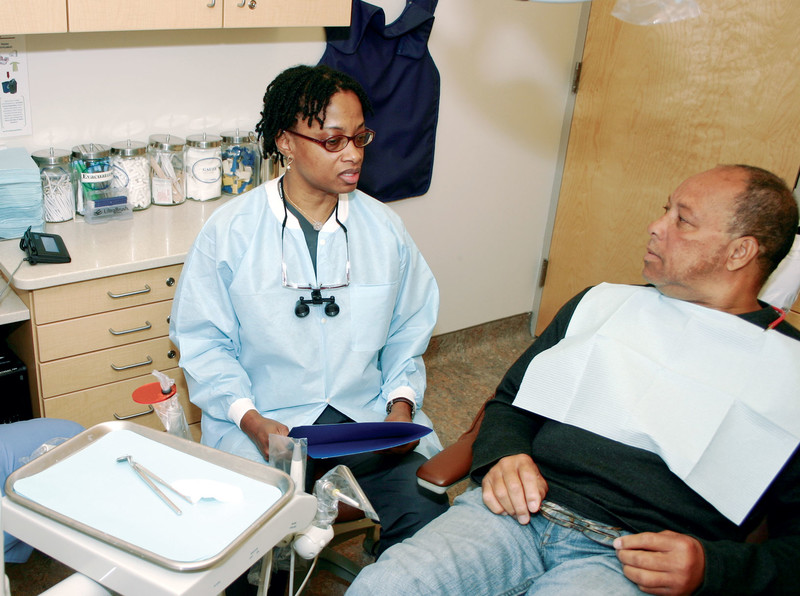
Dentist and patient at Columbia Dental School
Health & Medicine

Dentists Join Fight Against Diabetes

Researchers at the College of Dental Medicine have found that dentists can play a significant role in fighting a major public-health crisis
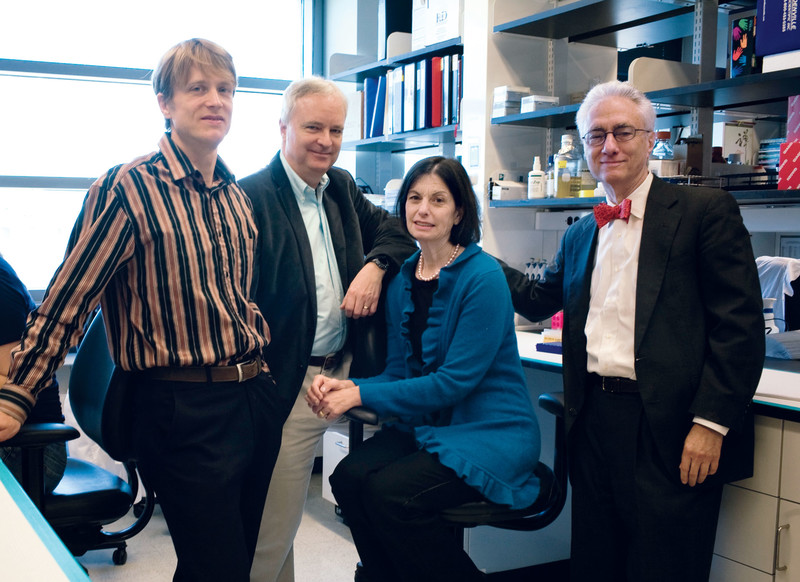
Stem-cell researchers Dieter Egli, Mark Sauer, Robin Goland, and Rudolph Leibel
Health & Medicine

A Step Toward Stem-Cell Therapy

Researchers have discovered a new way to create embryonic stem cells that contain a sick person’s unique DNA
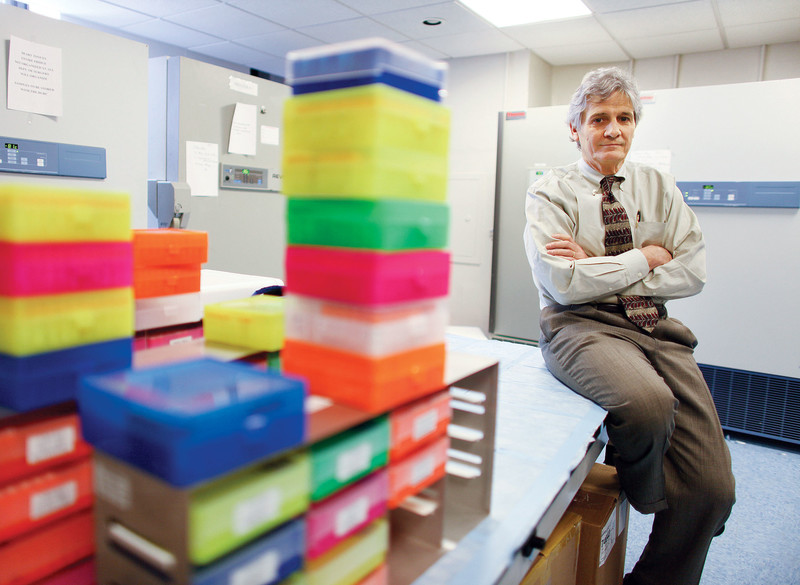
Richard Mayeux with DNA test kits used to study Alzheimer's disease. (Chang W. Lee / The New York Times / Redux)
Health & Medicine

New Pathways for Treating Alzheimer’s

A study has uncovered alternative causes of the disease
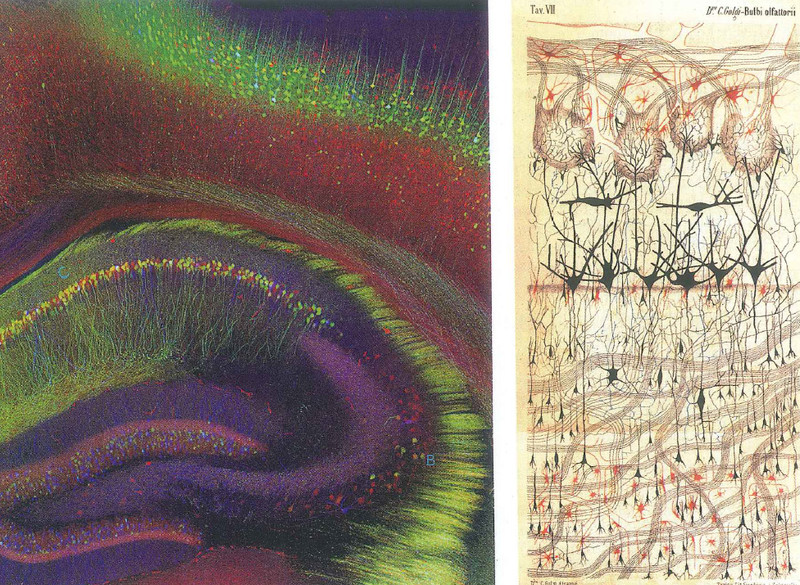
Photomicrograph of a mouse hippocampus and a drawing of a dog's olfactory bulb
Health & Medicine

Beauty and Brains

A new book by Carl Schoonover '11GSAS explores how philosophers and neuroscientists have represented that most mysterious of human workings
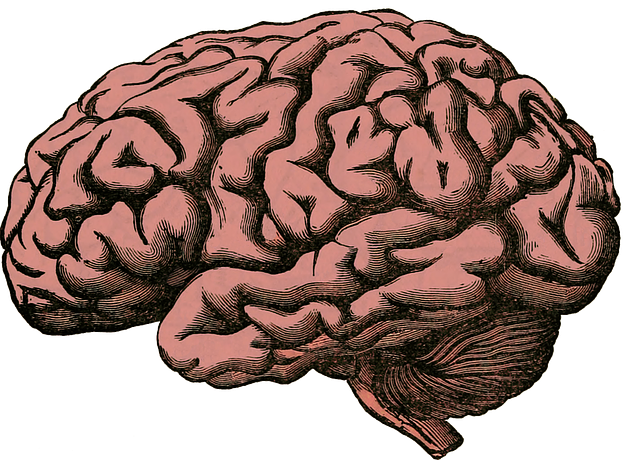
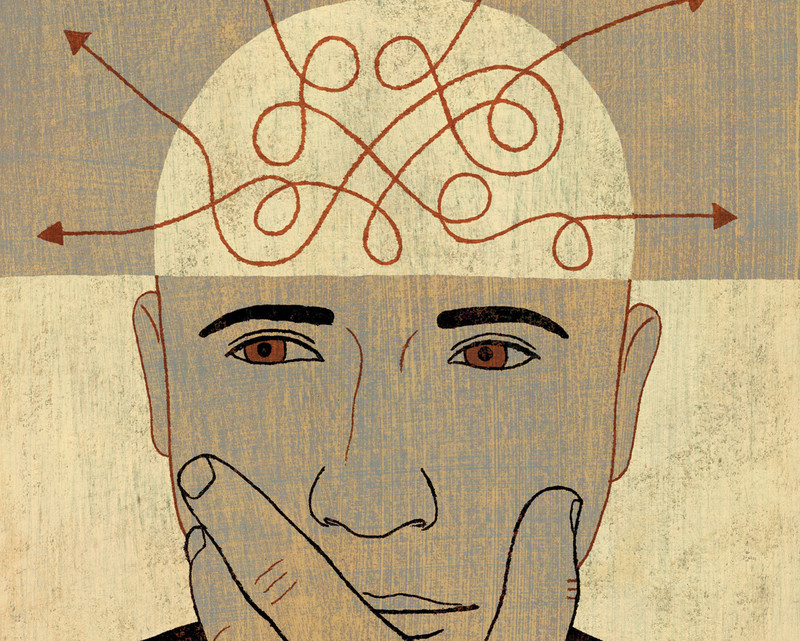
Illustration of brain
Health & Medicine

Grouped Therapy

Albert Ellis’s unruly papers

Illustration of man thinking
Health & Medicine

Grave Decisions

Columbia psychologist Sheena Iyengar applies her expertise in human decision making to the most difficult question of all
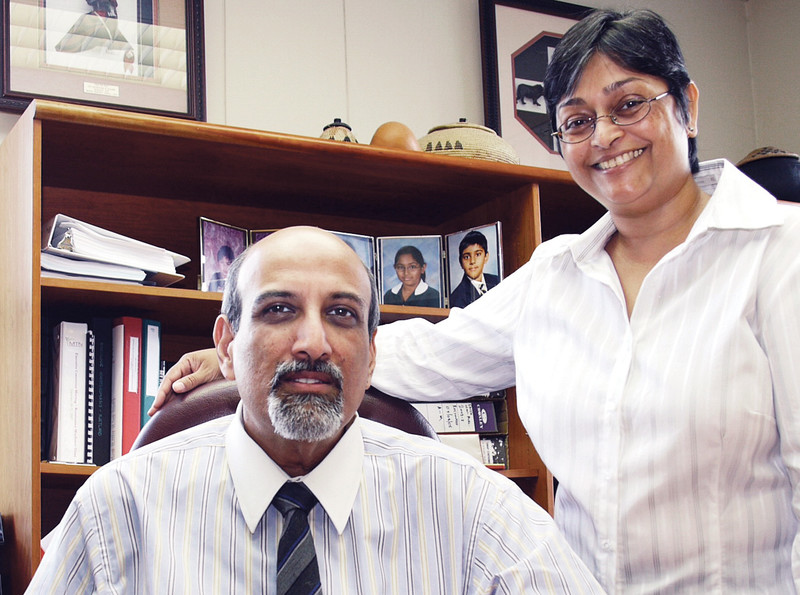
Salim S. Abdool Karim and Quarraisha Abdool Karim
Health & Medicine

New Gel Reduces Women’s Risk of HIV

Women soon may be able to better protect themselves using a gel created by epidemiology professors Salim S. Abdool Karim and Quarraisha Abdool Karim

Barakholka Market. (David Trilling)  ​
Health & Medicine

Surveyors on the New Silk Road

Columbia social workers are pulling back the curtain on AIDS in Central Asia, where the epidemic is spreading faster than anywhere else in the world
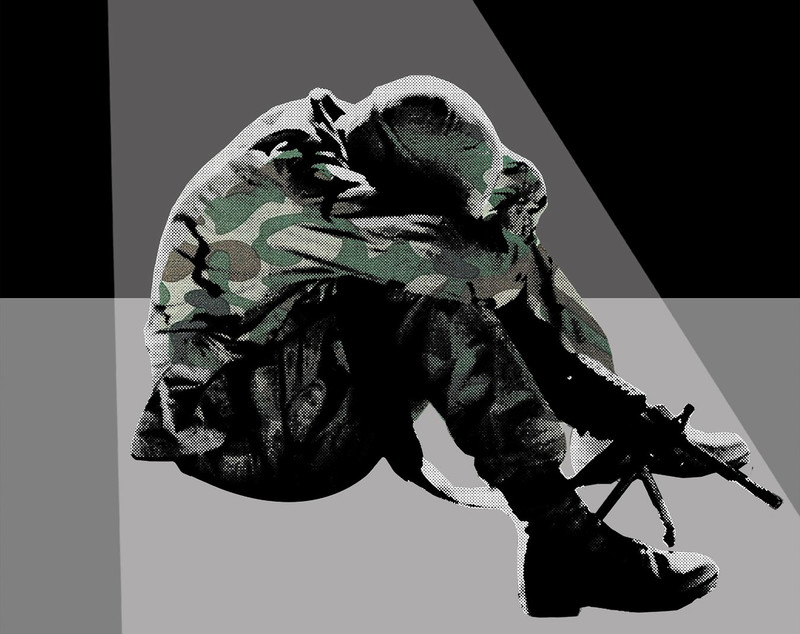
Illustration of soldier with head between knees
Health & Medicine

Wired for Trauma

Epidemiologist Sandro Galea discovers that altered genes may trigger post-traumatic stress
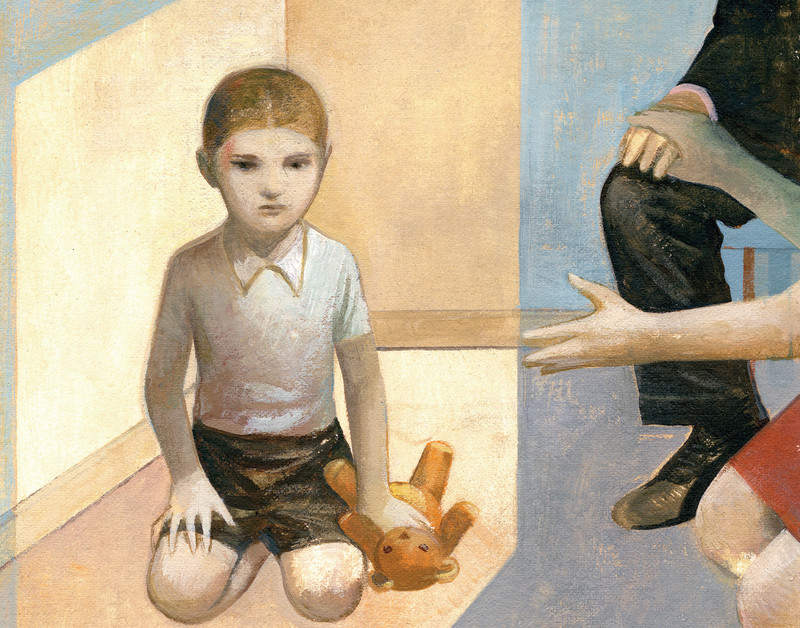
Illustration of child with teddybear
Health & Medicine

Autism, Unmasked

The causes of autism are multiple and mysterious, but Columbia scientists say the disorder's secrets will soon be revealed
Neurons
Health & Medicine

Getting to the Bottom of Depression

A study suggests that some people with depression suffer because a structural abnormality in the brain prevents them from interpreting social cues from other people
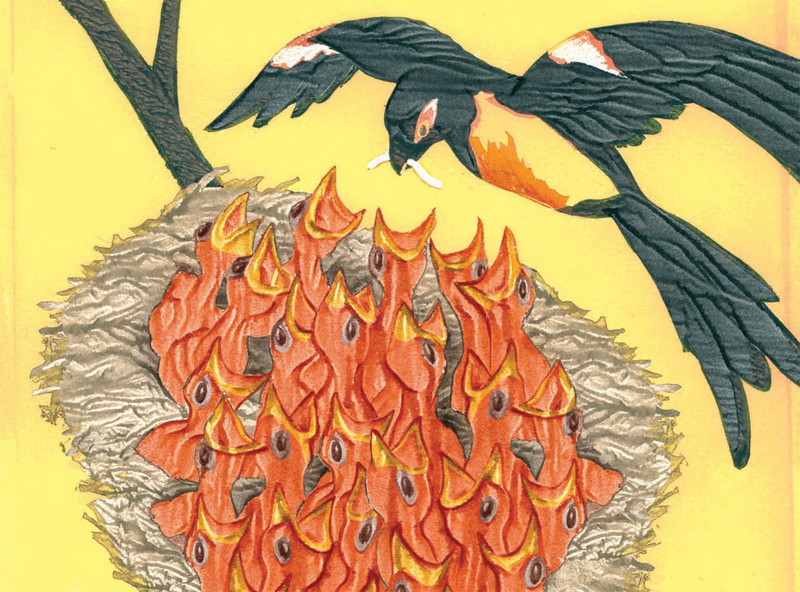
Illustration by Alex Nabaum of bird feeding worm to overcrowded nest
Health & Medicine

Can We Talk About Overpopulation?

As numbers soar, scholars revisit a thorny debate

  • Read More

Stay Connected.

Sign up for our newsletter.

Newsletter consent

General Data Protection Regulation

Columbia University Privacy Notice

  • Latest Issue
  • Past Issues
  • Arts & Humanities
  • Science & Technology
  • Health & Medicine
  • Alumni Newsmakers
  • On Campus
  • Books
  • About
  • Subscribe
  • Contact Us
  • Advertising
  • Staff
  • Awards
  • School Abbreviations
  • Donate
  • columbia.edu
  • Alumni Association
  • Update Your Information
  • Disability Services

©2026 Columbia University