What do you do as a memory expert?
Most of my work is in the legal space, helping lawyers, jurors, and others understand how memory works in the service of justice. I’ve worked on everything from environmental to criminal cases, often serving as an expert witness. I’ve also done consulting for apps that involve learning and memory, and I once worked with a novelist to make sure the science in their book was accurate. I’d love to branch out into film and TV projects to improve how memory science is portrayed in pop culture.
How do you explain the science behind memory?
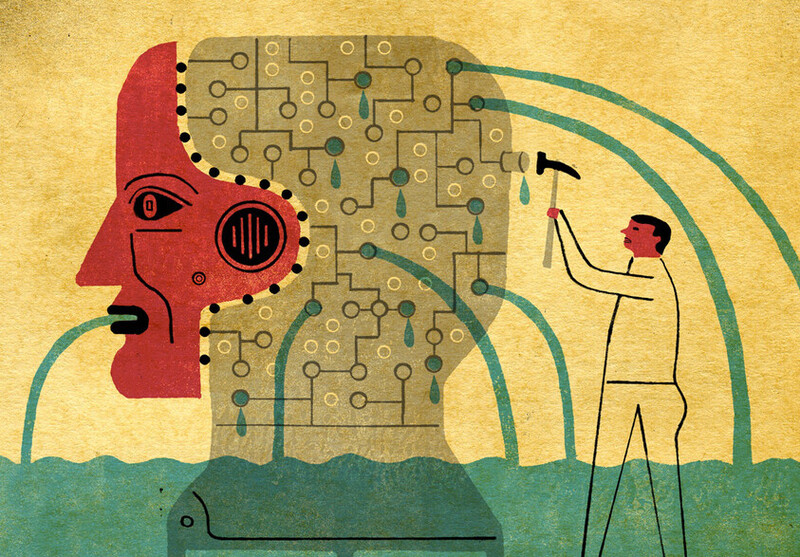
Most people think that their memory operates like a video recorder, replaying events as they originally happened. But memories aren’t static and objective like a recording. Instead, they’re associative: our brains link together the relevant details of experiences to store and later recall.
I often use my eighth birthday, which was celebrated with a gold-and-purple-themed party, as an example. At the time, my brain encoded the event by creating associations between different elements: gold and purple streamers and balloons, a cake in the middle of the table, and a banner over the window. As an adult, when I recall this day, I reconstruct the memory by reactivating these associations. But this reconstructive process can lead to errors. In the case of my eighth birthday, photos show a glaring mistake in my memory: I always remember the party happening in my family’s dining room after it was renovated, but the party actually occurred two years before the renovation. I was erroneously superimposing the right details onto the wrong space. Interestingly, there were no clues that I was misremembering anything; the memory feels real and vivid.

How is memory unreliable in criminal investigations?
Information learned after an event can retroactively change what a person remembers. When investigators ask leading questions — for example, “Was the man wearing a baseball cap?” instead of “What was the man wearing?” — this can make a witness incorrectly remember false details. Children are particularly susceptible to suggestion: If an adult they trust tells them something, they’ll often incorporate that information into what they remember.
Research also shows that interrogating someone in an emotionally charged way — maybe the police are yelling at them for hours until they break down and confess — can make their memory conform to what the interviewer believes. We’ve all learned from crime shows that you shouldn’t touch anything at a crime scene because the evidence is fragile, but what most people don’t realize is that eyewitness memory is just as fragile, and it should be documented as immediately as possible to avoid outside influence.
Is there any way to tell if a witness’s memory is trustworthy?
There are no foolproof clues that guarantee if a memory is real or altered. Jurors typically try to figure out if a witness is telling the truth or lying — they’re thinking about eyewitness testimony in a binary way, which is how movies and TV usually present the judicial system. My job often involves explaining that a witness may have sincerely held memories that for whatever reason have been distorted. The Innocence Project has looked back at the records of overturned convictions and found that in around 70 percent of cases, eyewitness testimony played a significant role in the defendant being wrongfully convicted. It’s likely that many of those witnesses weren’t deliberately lying but that memory distortions changed their testimony.
Is amnesia a real condition?
It is! The hippocampus is the part of the brain that forms associations, so if it’s damaged, you can no longer create episodic memories. You can remember things that happened before, but the brain no longer has the mechanism it needs to encode and store a new memory. There’s also a form of amnesia that goes in the opposite direction, where you can’t remember events before a specific time — you see this in some movies like The Bourne Identity.
Any advice for sharpening memory?
Get enough sleep: Tired people don’t encode information as effectively, and sleep is critical for consolidating our experiences into long-term memories. Cardiovascular exercise helps improve neuroplasticity and protect new brain cells. Avoid chronically high levels of stress, as this has been shown to damage the hippocampus.
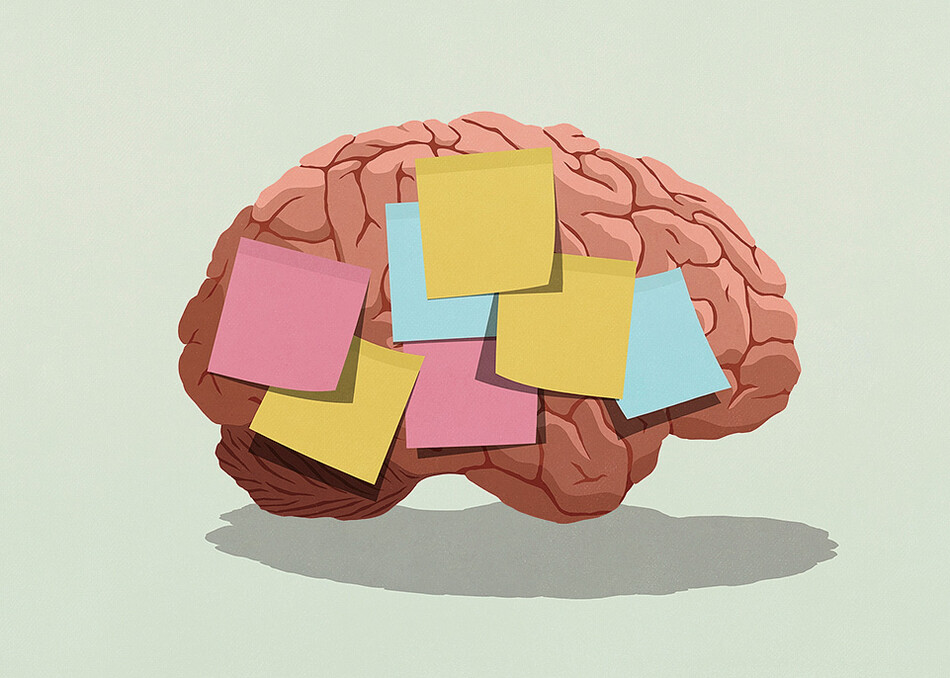
When friends worry that their memory isn’t perfect, I reassure them that memory isn’t supposed to preserve the past exactly as it happened. When we receive new information, our memories shift to incorporate that information in a useful way. Flexibility in memory can hinder eyewitness accounts in legal cases, but in daily life, it’s meant to help us make better decisions for the future.