Fluoridated Water Is Safe for Pregnant Women, and Other Recent Discoveries

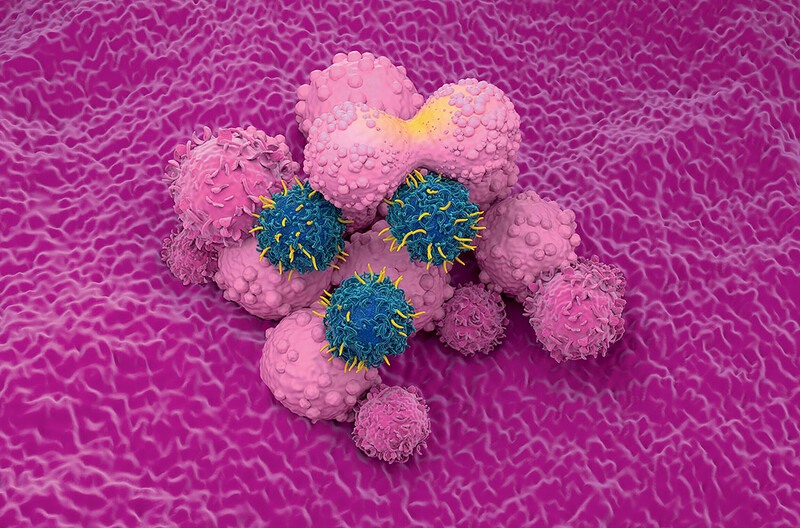
A large study led by Columbia public-health researchers indicates that fluoridated drinking water is safe for pregnant mothers and their babies. The team analyzed the staggered rollout of community water fluoridation across the US between 1968 and 1988, alongside birth outcome data for 11 million babies. It found that the introduction of fluoridated water is not associated with changes in birth weight — a widely accepted indicator of infant health and long-term outcomes. Whereas previous studies had raised questions about possible unintended consequences of water fluoridation, the authors of the new study, led by Columbia’s Matthew Neidell, say their own analysis used more-rigorous methods.
What the canyon forgot
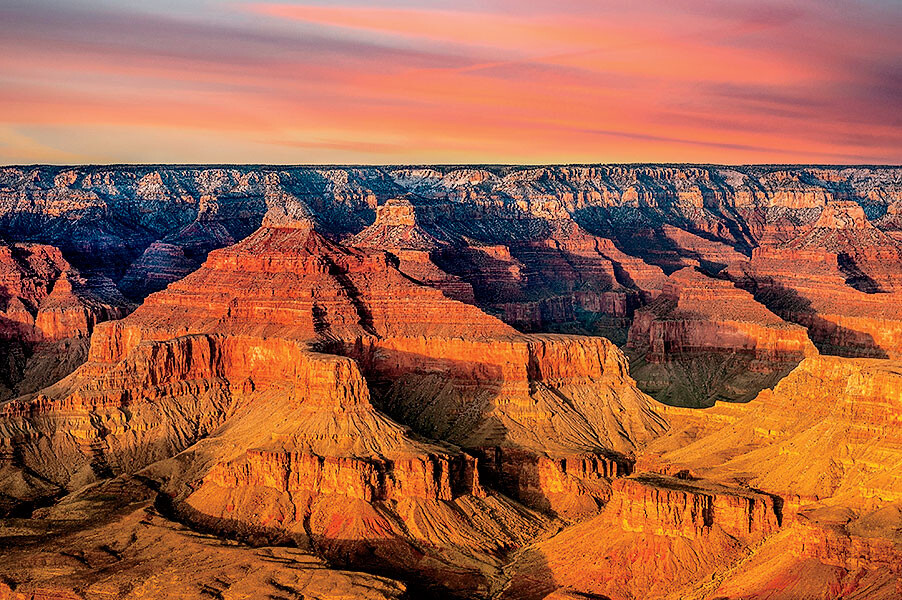
Our planet’s geological history, as written in layers of rock, is missing a big chapter: nearly one billion years preceding the so-called Cambrian explosion (when most animals appeared) 500 million years ago. In many places, including the Grand Canyon, that rock is simply gone. A new paper coauthored by Columbia geologist Nicholas Christie-Blick claims to have solved the mystery. Evidence suggests that the now-vanished rock was pushed up to the surface during the massive tectonic upheavals that led to the formation of the first supercontinent, Columbia, then was worn away by the elements. Scientists say the findings have profound implications for understanding the Earth’s evolution — and our own.

Brain waves go wireless
Columbia researchers have developed a flexible, paper-thin silicon chip that can be safely implanted on the surface of the brain to record and stimulate neural activity. Measuring about three square millimeters in size, the chip is smaller and less invasive than existing brain implants, yet capable of sending and receiving large amounts of data wirelessly. The device is intended for studying neurological conditions such as epilepsy, paralysis, ALS, and stroke — and for informing treatment strategies in real time. Columbia engineer Ken Shepard developed the tool, called the Biological Interface System to Cortex (BISC), with Columbia neurosurgeon Brett Youngerman ’12VPS, ’19PH and collaborators at Stanford and Penn.
A black hole is born, without the drama
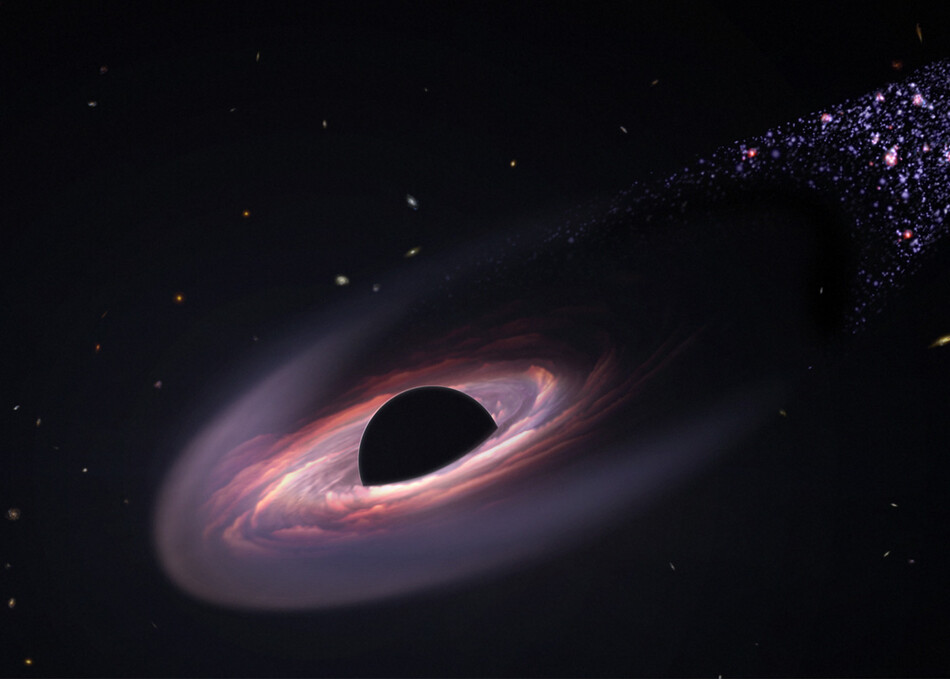
Astronomers have long assumed that a black hole’s formation is a spectacular site: When a large star reaches the end of its lifespan, its dense core collapses in on itself, creating an immense gravitational force, while its outer layers get blasted out into space in a fiery explosion called a supernova. But researchers led by Columbia astronomer Kishalay De have found evidence that massive stars can sometimes implode more discreetly, without the fireworks. They recently observed a star in the nearby Andromeda galaxy collapse into a black hole after brightening slightly and then just fading away, rather than exploding. The discovery suggests that black holes may form more frequently than scientists previously recognized.

How AIDS drugs keep families intact
International efforts to prevent and treat HIV/AIDS in sub-Saharan Africa, such as those led by the WHO, UNAIDS, and the US President’s Emergency Plan for AIDS Relief (PEPFAR), have saved tens of millions of lives since the 1990s. Now, a Columbia study has documented another, often-overlooked benefit of the initiatives: a dramatic reduction in the numbers of children being orphaned. The study, which analyzed demographic trends in one region in Uganda as a test case, found that rates of orphanhood there have declined more than 70 percent over the past two decades, largely because of the availability of AIDS drugs. The authors say this has spared young people from the severe social and economic consequences of growing up without parents.
Is Greenland’s ice cap on borrowed time?
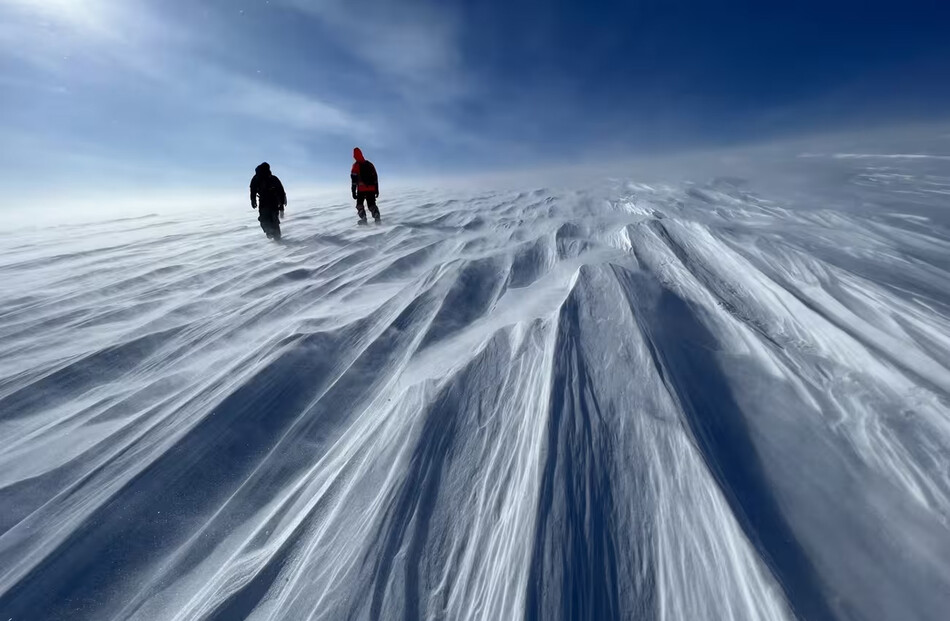
Greenland’s Prudhoe Dome ice cap fully melted some 7,000 years ago, which is much more recently than previously thought, according to a study led by Columbia geochemist Joerg Schaefer. His team found evidence that the ice cap, which is 1,700 feet thick and covers nearly 1,000 square miles, was absent when global temperatures were just three to five degrees Celsius warmer than they are today. Some climate projections indicate that we could reach that level of warming again this century; the melting of the Prudhoe ice cap alone would cause sea levels to rise more than two feet.