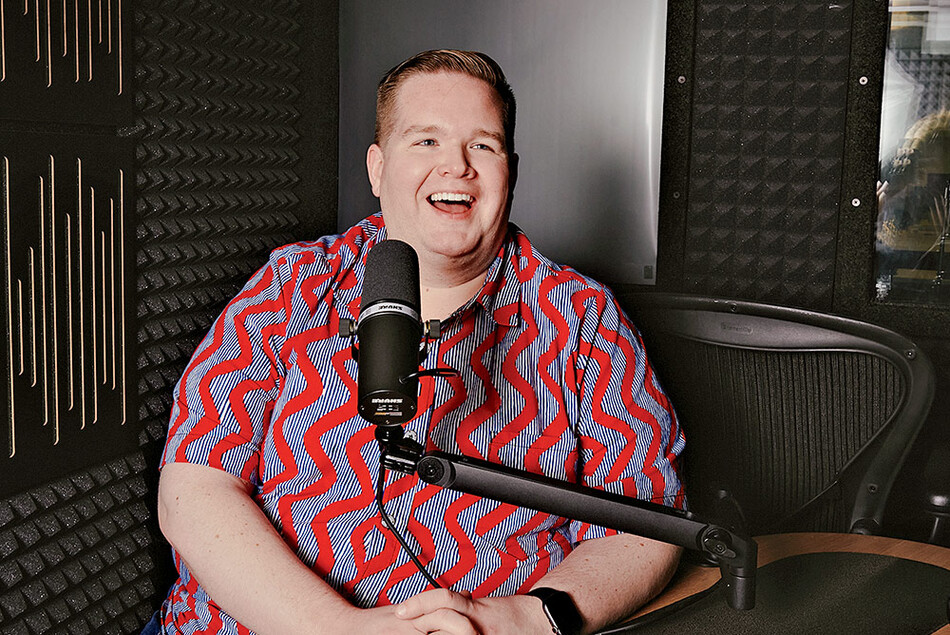
Andrew Seaman ’11JRN, the editor-at-large for jobs and career development at LinkedIn News, host of the Get Hired podcast, and chair of the Columbia Journalism School alumni board, specializes in actionable guidance for today’s job seekers.
How did you get into this line of work?
After graduate school at Columbia, I got a job with Reuters covering medicine and the Affordable Care Act, and I eventually became a digital editor overseeing social media and video. I worked closely with companies like Twitter, Facebook, and LinkedIn, and when a job opened up with LinkedIn’s daily news team, I threw my hat in the ring.
You’ve been covering jobs and careers since 2018. Is the hiring world currently as bleak as the media portrays it?
It’s definitely tough out there. LinkedIn’s hiring rate is down about 4 percent from last year. But there are still bright spots that job seekers can use to their advantage. Not only is there demand in the AI space, but AI is creating jobs in different sectors downstream from technology, because of the need for data centers. There’s a demand for people in construction and people who can handle large projects, and manufacturing is also up. Location matters as well: the market is slow in some places, but cities like Miami and Detroit have seen spikes in hiring. So you have to look at the data and plan accordingly.
How concerned should job seekers be about the rise of AI-powered application screeners and bot interviews?
Honestly, the best way to approach screening technology is to not worry about it. People think of the technology as new, but applicant-tracking systems have been around for decades. The difference now is that AI is being incorporated.
For the most part, these systems really are trying to unearth the best candidates. They look at the totality of your résumé and past experiences. People who focus too much on keywords tend to over-engineer their resumes, which makes them look less appealing to employers. There are a lot of applicant-tracking systems out there, and they all work a little bit differently, so there’s no way to even know what technology an employer is using.
At the end of the day, AI isn’t hiring people; people are hiring people. AI might be doing some sorting and analysis, but there are still a lot of recruiters out there who are reading every résumé. People I respect in the talent-acquisition field all say that candidates who are qualified do stand out regardless of the application technology.
What else should applicants not do when applying to jobs online these days?
Don’t use services where you can pay to have your résumé sent to hundreds of employers a day. That floods the system with low-quality résumés. Take the time to figure out what you want, customize your applications, and talk to the right people instead of spraying your résumé everywhere and hoping that it lands. That approach can sometimes work for getting a job, but probably not the right job.
What’s your stance on optional cover letters?
It depends on your situation or industry. If you’re changing careers, a cover letter can help connect the dots. If you’re in a more creative field, I’m very pro–cover letter because you get to make a case for yourself and, if you’re a writer, showcase your chops. But when it comes to jobs in technology, engineering, or other hard skills, your cover letter probably won’t be read, so don’t bother including one.
What’s the best way to go about networking?
Networking gets a bad rap because a lot of people think of it as going to a hotel ballroom and putting on a “Hi, my name is” tag. I see it more as keeping up with people and letting genuine curiosity lead discussions. Don’t approach it as transactional — you’re probably not going to have a conversation and immediately get a referral.
I recommend writing to someone whose work you admire and asking if they’re willing to have a fifteen-minute phone call. You’ll be surprised at how many people will say yes. Be specific with your questions during the call. You can also network through professional organizations and events: Columbia and other schools have get-togethers and lectures where you can connect with alumni across different fields. Most importantly, keep a networking mindset at all times. The friends, family, and acquaintances in your life can all be stepping stones.
Also, don’t be afraid to ask for help. I see a lot of discussion around fear of looking desperate online. LinkedIn has an “open to work” banner that you can put on your profile, and this has been a net positive for everyone. Once you put it out into the world that you’re looking for a job, people will start paying attention.
Any advice for recent grads entering the job market?
Being nimble and not necessarily wedded to your degree will serve you well. Many companies recruit and hire based on applicants’ specific skills, more than their past job titles or college majors. Reflect on the skills you can offer in an entry-level job — whether that’s coding, social media, or creating spreadsheets — and strategize from there.