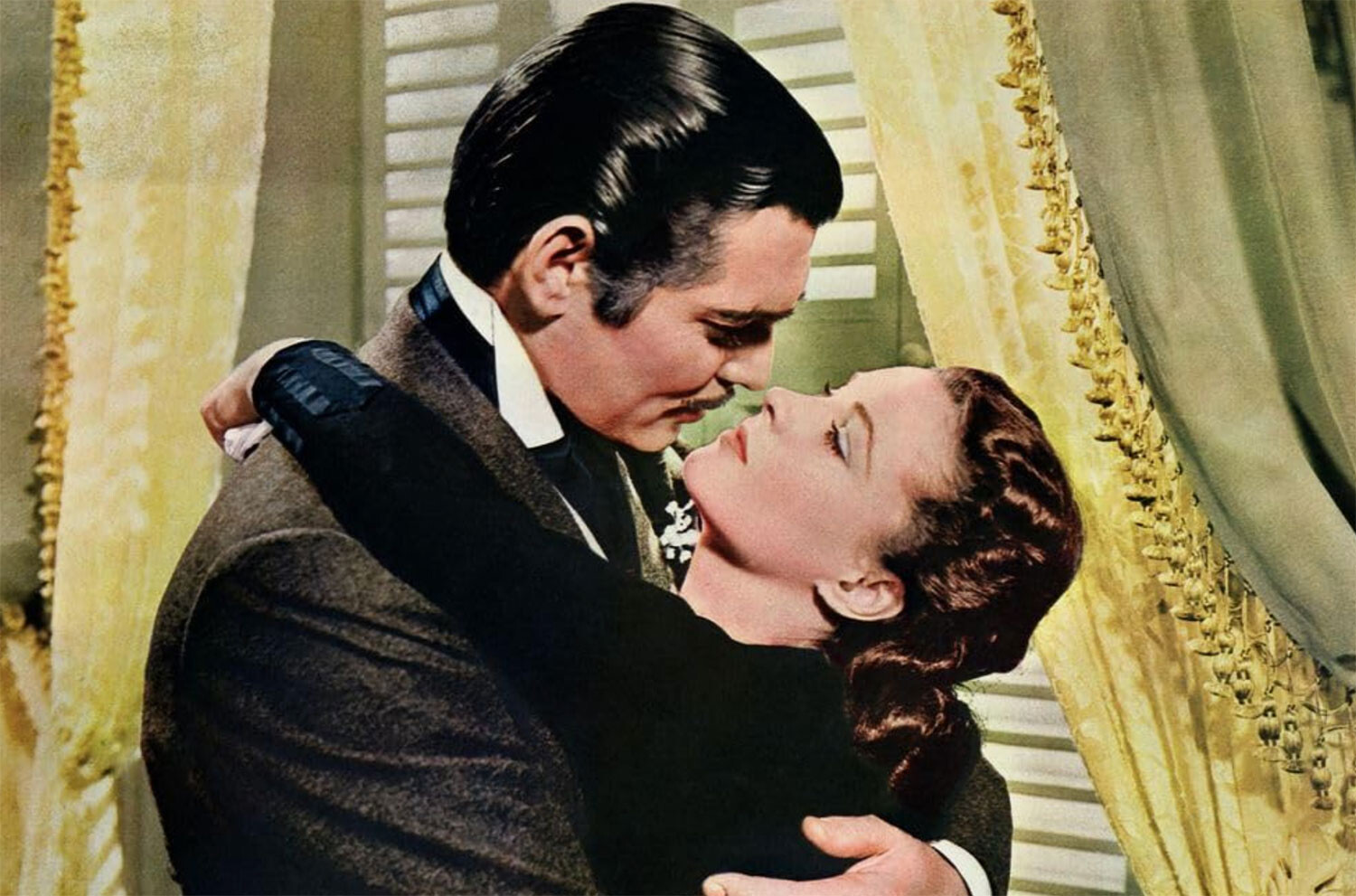
Gone with the Wind (1939)
Producer David O. Selznick, a Hollywood heavyweight who briefly attended Columbia before entering show business, won his first of two back-to-back Oscars for best picture as the producer of Gone with the Wind.
The victory was hard won: Selznick spent two years trying to wrangle Clark Gable out of an MGM contract to play Rhett Butler, the film’s screenplay was rewritten several times, director George Cukor was replaced mid-production by Victor Fleming, and postproduction work wasn’t finished until a month before the premiere. The technicolor Civil War epic based on Margaret Mitchell’s 1936 novel went on to win eight Oscars and remains a classic today.
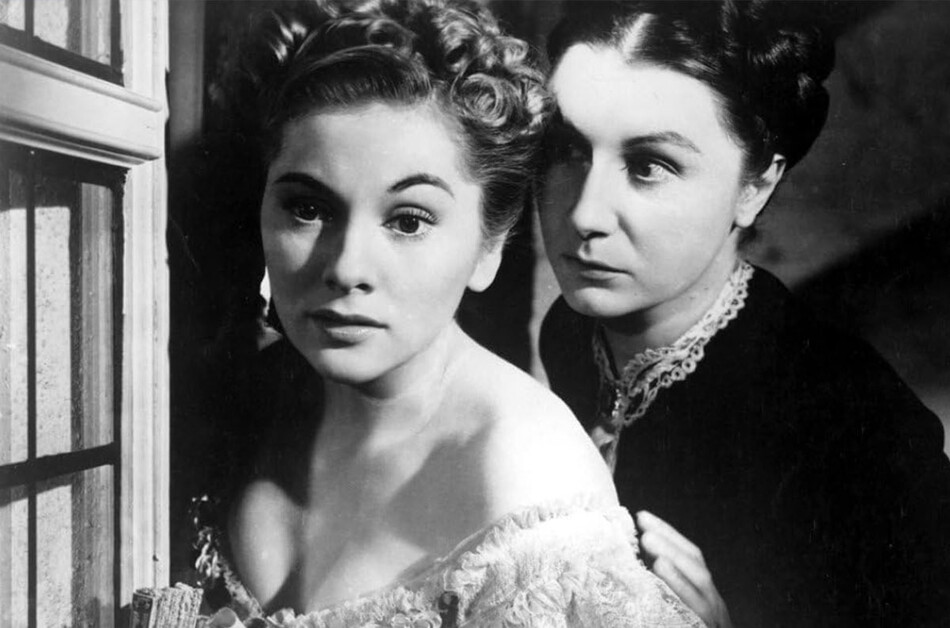
Rebecca (1940)
Released just four months after Gone with the Wind, Rebecca is the only film directed by honorary alumnus Alfred Hitchcock ’72HON to win best picture. The film, which is adapted from Daphne Du Maurier’s 1938 gothic novel about a young woman who marries a mysterious wealthy widower, was produced by Columbia dropout David O. Selznick. Although Selznick and Hitchcock famously clashed over creative differences, they went on to make three more films together after Rebecca, including the spy thriller Notorious in 1946.
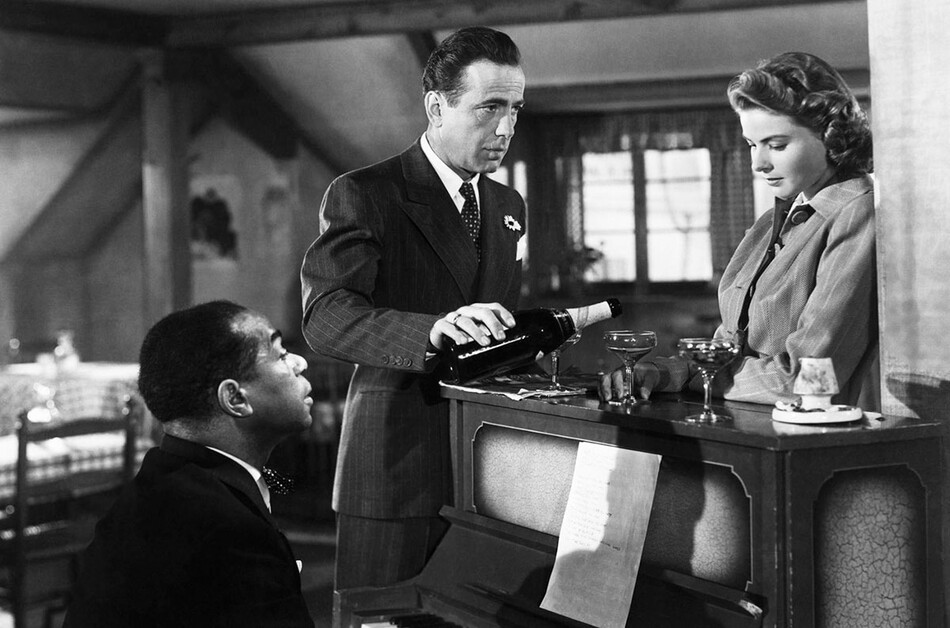
Casablanca (1942)
A pillar of old-Hollywood romance, wartime drama Casablanca was cowritten by Howard Koch 1925LAW, a graduate of Columbia Law School. The film, which tells the story of an ill-fated affair between an expat nightclub owner and the wife of an anti-Nazi resistance leader, won Oscars for best picture, best director, and best screenplay — the latter of which was shared between Koch and cowriters Julius J. Epstein and Philip G. Epstein. After his big win, Koch’s career was derailed when he wrote the 1943 Stalin-sympathetic film Mission to Moscow, a project that ultimately put him on the Hollywood blacklist.
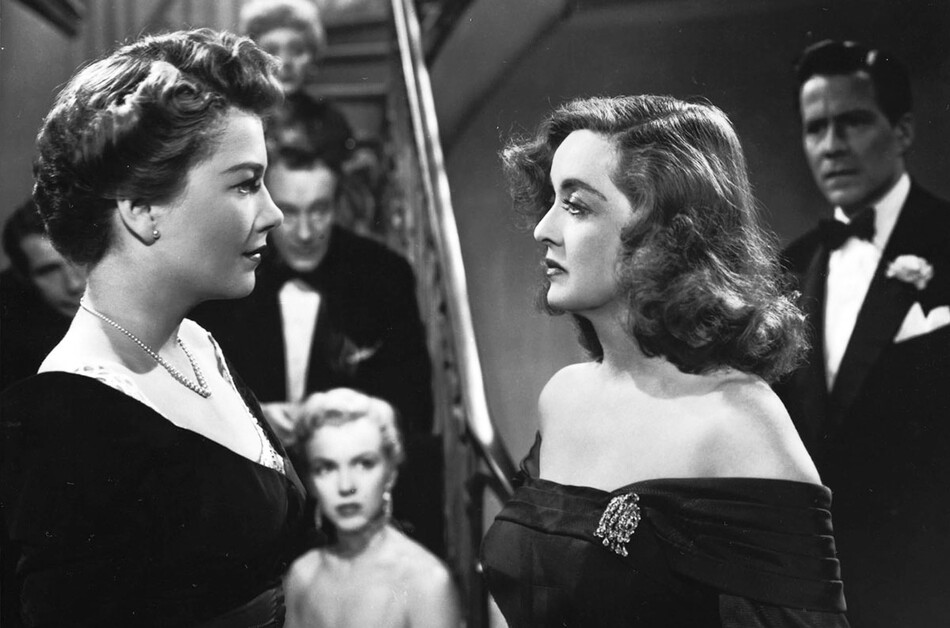
All About Eve (1950)
Joseph Mankiewicz ’28CC was a veteran Hollywood mogul when he wrote and directed All About Eve, which won the Academy Award for best picture of 1950. Starring Bette Davis as an aging Broadway star and Anne Baxter as an ambitious understudy, the showbiz drama also earned Mankiewicz his second consecutive Oscars for best director and best adapted screenplay after winning for A Letter to Three Wives one year earlier.
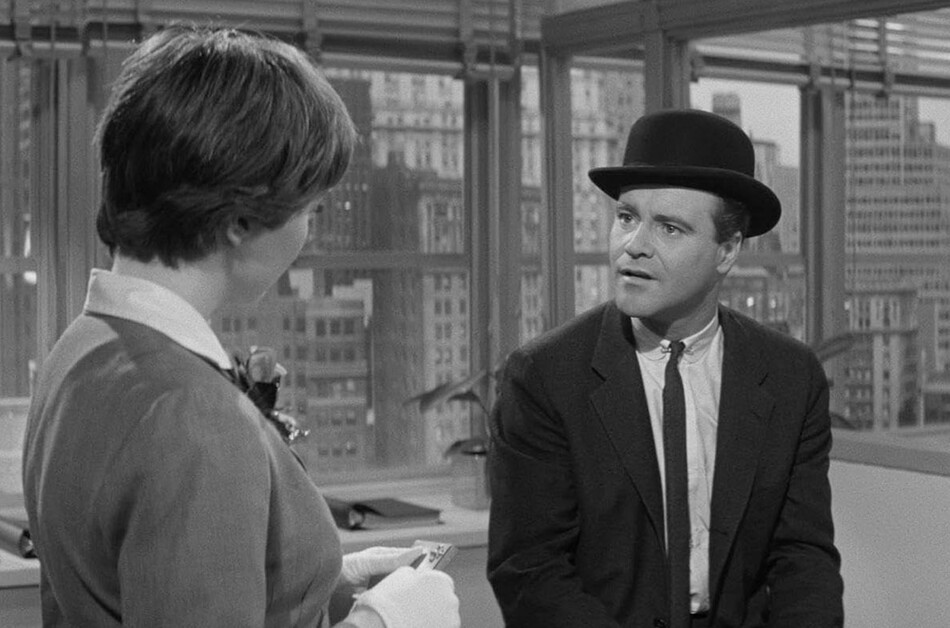
The Apartment (1960)
As a Columbia student, Romanian-born screenwriter I. A. L. Diamond ’41CC edited the Columbia Jester humor magazine and wrote several productions of the annual Varsity Show. He moved to Hollywood after graduating and worked as a contract writer for major studios, eventually teaming up with filmmaker Billy Wilder. The duo cowrote several classic comedies together, including Some Like It Hot and the 1960 best-picture winner The Apartment. The dark romcom, about an office worker who lends out his Upper West Side apartment to his philandering colleagues, also earned Diamond and Wilder a shared Academy Award for best original screenplay.
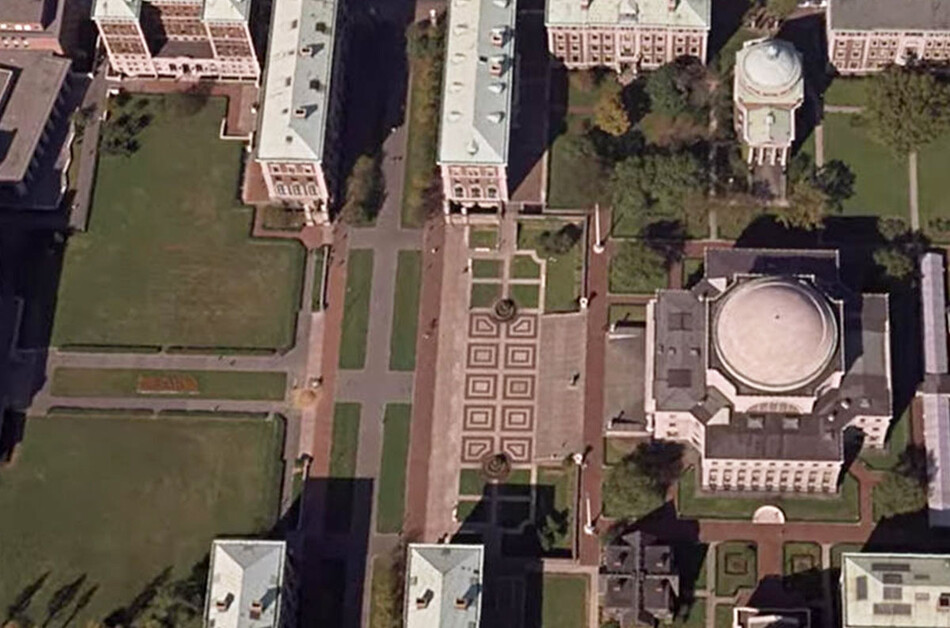
West Side Story (1961)
West Side Story might not have any known alumni connections, but the Morningside Heights campus makes a clear cameo in the film’s opening montage. The 1961 classic, which was filmed in part on the Upper West Side, won multiple Academy Awards, including best picture. In 2021, a new film version of the Romeo and Juliet-inspired stage musical was released with a screenplay by Columbia alumnus Tony Kushner ’78CC, ’10HON.
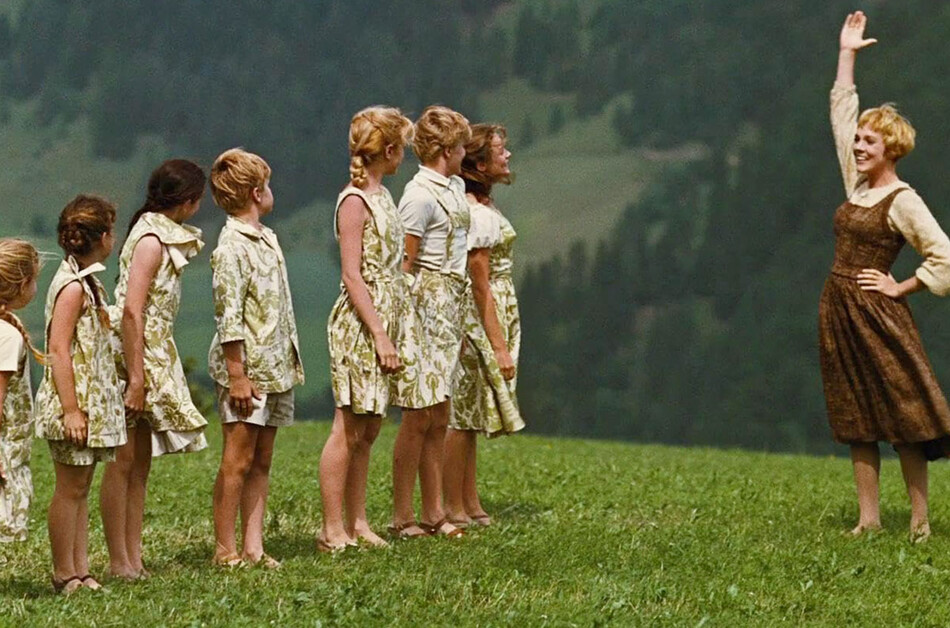
The Sound of Music (1965)
Composer Richard Rodgers ’54HON first joined forces with lyricist and librettist Oscar Hammerstein 1916CC, ’54HON while working on Columbia’s 1920 campus Varsity Show. After creating a string of popular stage musicals like Oklahoma!, Carousel, and South Pacific together, the iconic duo released The Sound of Music in 1959 — their final collaboration before Hammerstein died in 1960. The film adaptation, which took the story of the singing Von Trapps off the Broadway stage and into scenic Salzburg, won five Oscars, including best picture. The movie was so popular that it spent over four years in theaters after its 1965 premiere.
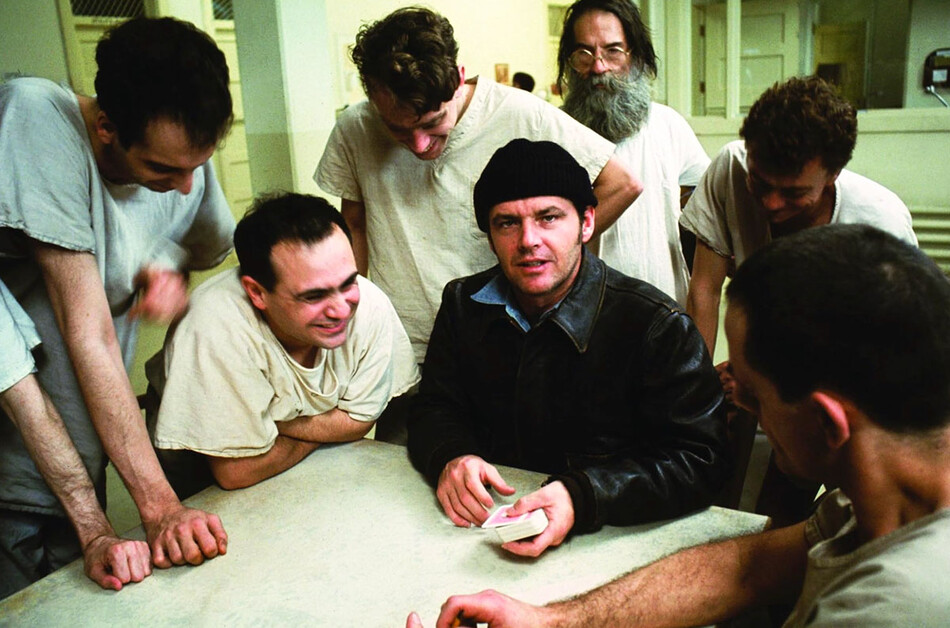
One Flew Over the Cuckoo’s Nest (1975)
Filmmaker Miloš Forman’s second American release after fleeing Soviet Czechoslovakia was an instant classic. An adaptation of Ken Kesey’s novel about patients in a mental institution, One Flew Over the Cuckoo’s Nest swept all of the “big five” awards at the 48th Academy Awards while landing Forman ’15HON, who went on to co-chair Columbia’s film program from 1978–1994, his first of two Oscars for best director.
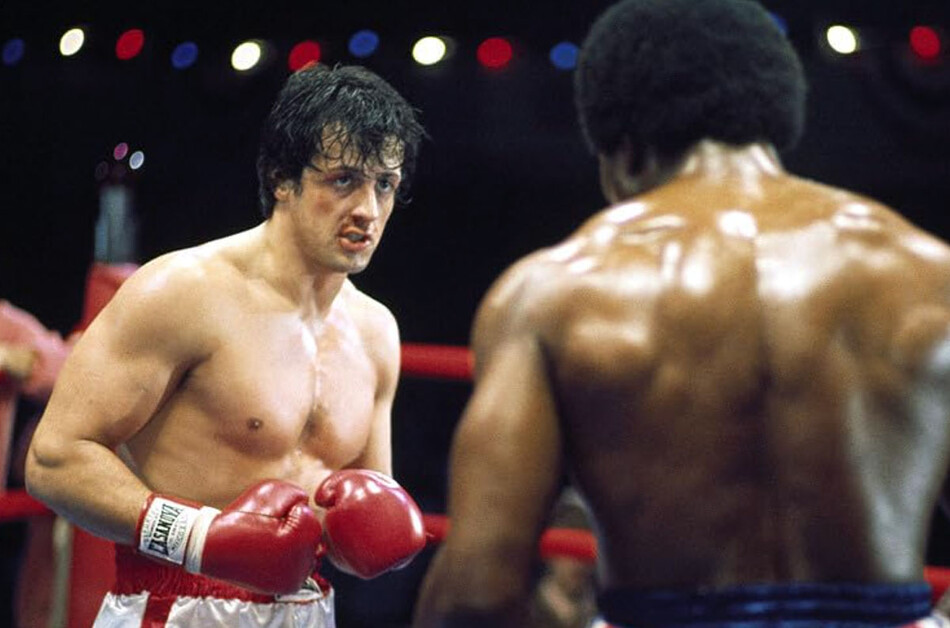
Rocky (1976)
Columbia Law School alumnus Robert Chartoff ’68LAW produced dozens of Hollywood films throughout his career, including Rocky and its many sequels (Creed, the 2015 spinoff starring Michael B. Jordan, was Chartoff’s last film before he died). Chartoff won a best-picture Oscar for producing the original 1976 sports drama, which stars Sylvester Stallone as a small-time Philadelphia boxer who fights his way to the top of the world heavyweight championships.
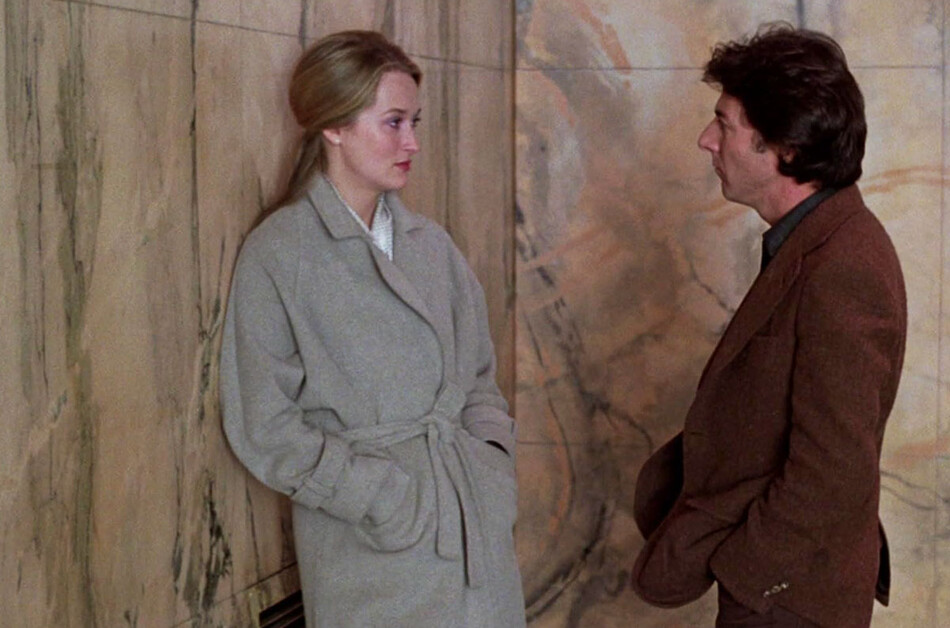
Kramer vs. Kramer (1979)
Before becoming a filmmaker, Robert Benton studied art history at Columbia in the early 1950s, but he dropped out after one semester because he ran out of money and was drafted into the Army. Benton later got his Hollywood break as the co-writer of the 1967 crime classic Bonnie & Clyde. His 1979 divorce drama Kramer vs. Kramer, which he wrote and directed, features music by fellow Columbian John Kander ’54GSAS and won Academy Awards for best picture, best director, and best adapted screenplay, as well as best actor for Dustin Hoffman and best supporting actress for Meryl Streep.
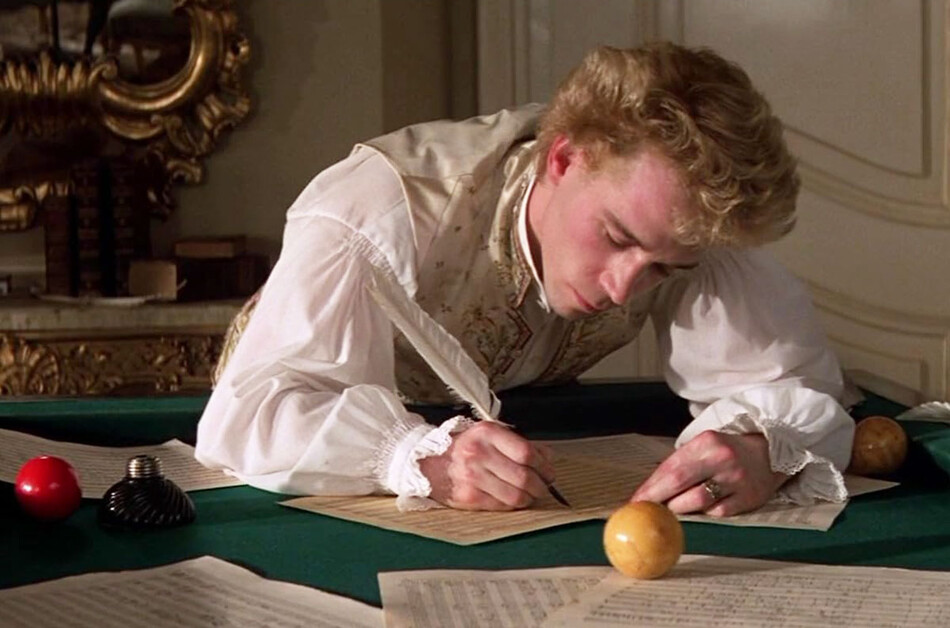
Amadeus (1984)
Miloš Forman ’15HON was the co-chair of Columbia’s film program when he directed Amadeus, a lavish period drama about a fictional rivalry between Vienna composers Wolfgang Amadeus Mozart and Antonio Salieri. Based on the 1979 play by Peter Shaffer, Amadeus won multiple Academy Awards, including best picture and best director for Forman.
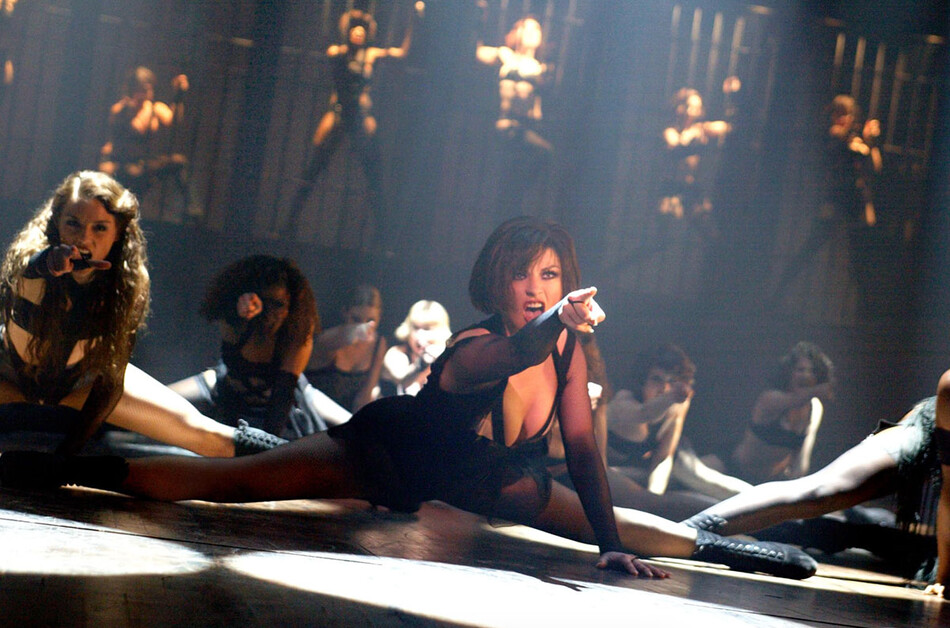
Chicago (2002)
Bill Condon ’76CC wrote the screenplay for Chicago based on the 1975 stage musical of the same name. Featuring the show’s original songs by John Kander ’54GSAS and former Columbia student Fred Ebb, the film — a satire about the sensational murder trials of two women during the Jazz Age — was the first (and still only) musical to win the Oscar for best picture since Oliver! in 1969. Four years earlier, Condon won his own Academy Award for best adapted screenplay for writing the James Whale biopic Gods and Monsters, which he also directed.

The Hurt Locker (2009)
Kathryn Bigelow ’81SOA became the first woman to win the Academy Award for best director — and the first woman to direct a best-picture winner — for The Hurt Locker, a drama about a bomb-disposal team during the Iraq War. In 2009, Columbia Magazine caught up with Bigelow, who earned an MFA in film from Columbia, for a cover story published just months before her historic win.
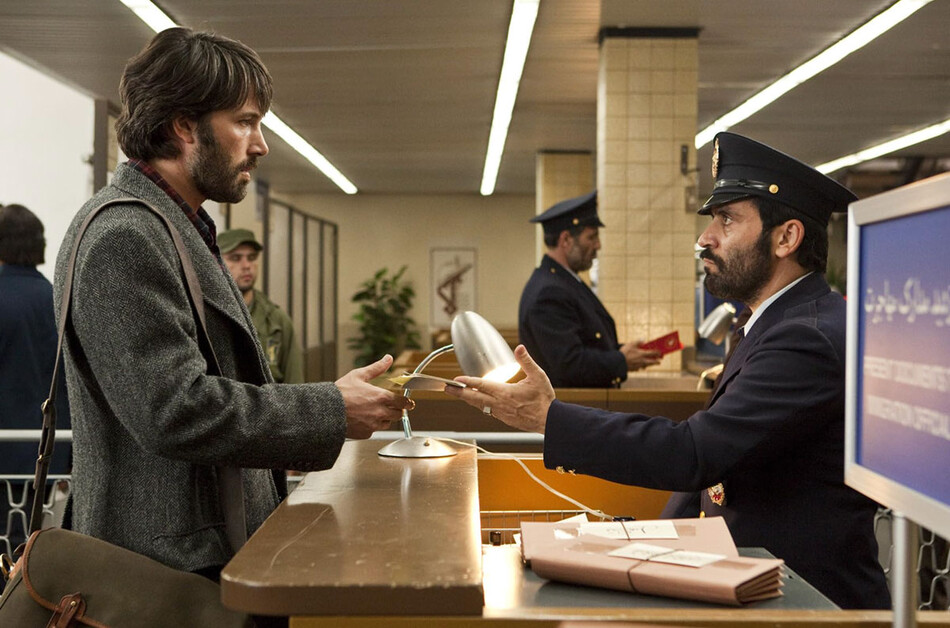
Argo (2012)
In 2007, journalist Joshuah Bearman ’01SIPA, a graduate of Columbia’s School of International and Public Affairs, published an article in Wired called “The Great Escape: How the CIA Used a Fake Sci-Fi Flick to Rescue Americans from Tehran.” In it, Bearman chronicled a covert mission from the 1979–81 Iran hostage crisis, when the CIA and Canadian government rescued six American diplomats by pretending to film a science-fiction movie.
Bearman’s article, along with former CIA operative Tony Mendez’s memoir The Master of Disguise, were adapted into the 2012 spy thriller Argo, which took home Oscars for best picture, best adapted screenplay, and best editing.
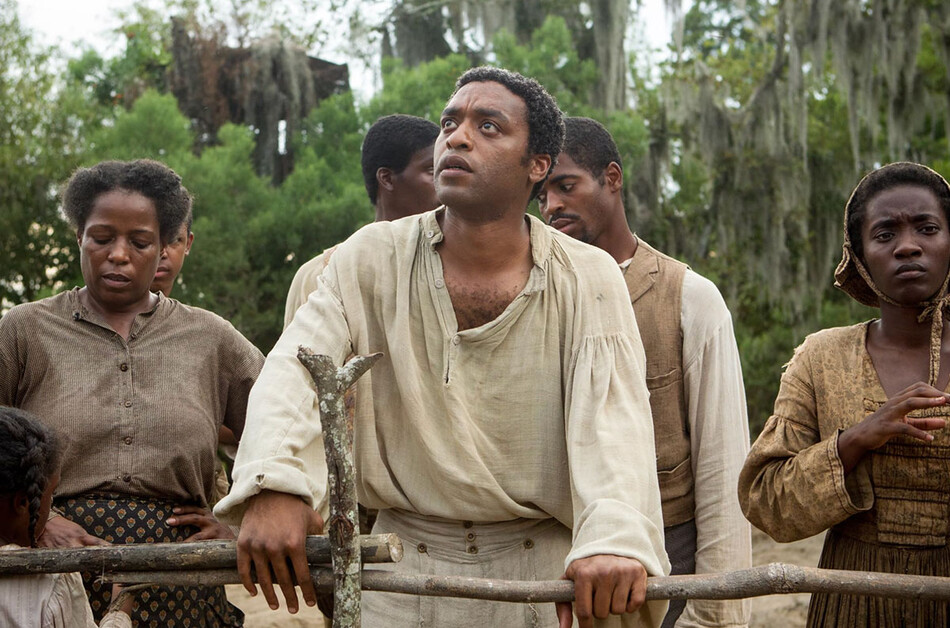
12 Years a Slave (2013)
Few years go by without an Oscar-nominated feature film produced by Plan B Entertainment co-president Dede Gardner ’90CC (this year, racecar drama F1 is up for best picture). In 2014, Gardner won her first of two best-picture Oscars as a producer of 12 Years a Slave. The historical biopic, directed by Steve McQueen, tells the nightmarish true saga of Solomon Northup, a free Black man who was kidnapped and sold into slavery for twelve years beginning in 1841.

Moonlight (2016)
After the success of 12 Years a Slave, Dede Gardner ’90CC maintained her Oscar momentum as a producer of Moonlight, a coming-of-age indie drama directed by Barry Jenkins. The film, which depicts three chapters in the life of a gay Black man in the 1980s through 2000s in Miami, took home the coveted best-picture honor in a surprise upset over award-season frontrunner La La Land — a moment captured in a famous mix-up at the 89th Academy Awards.
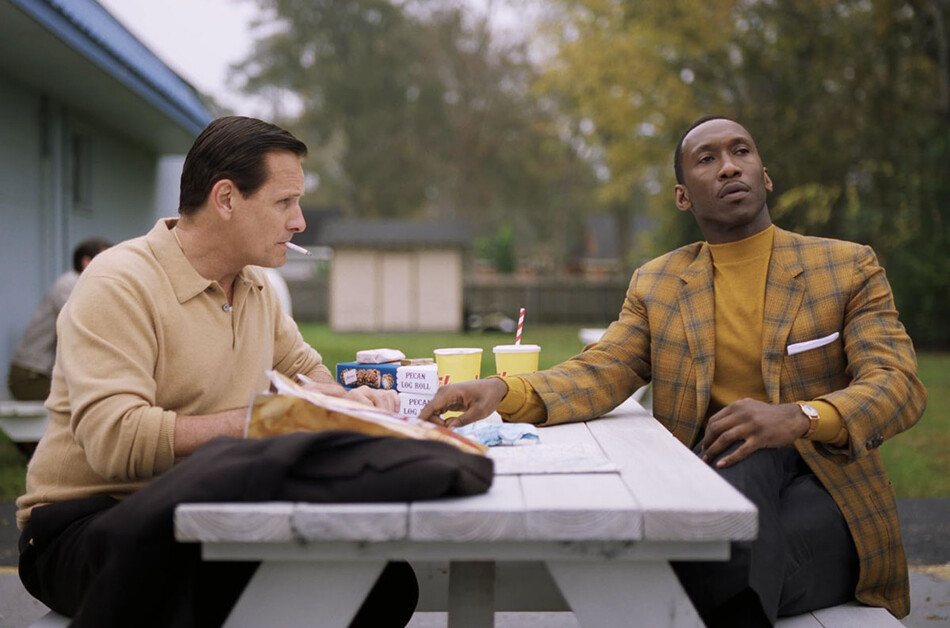
Green Book (2018)
Green Book — the most recent movie directed by a Columbian to win best picture — draws from the real-life story of African-American pianist Don Shirley and his white driver, Frank Vallelonga, and their concert tour in the Jim Crow south. The project marked a more serious turn for cowriter, director, and producer Peter Farrelly ’86SOA, who, as a member of the Farrelly Brothers duo, is best known for making comedies like Dumb and Dumber, Kingpin, and There’s Something About Mary.
Farrelly’s pivot paid off — the drama was a commercial hit and won Oscars for best picture and best original screenplay. Both Green Book and 2016’s Moonlight landed Mahershala Ali, who plays Shirley, Academy Awards for best supporting actor.

Nomadland (2020)
Starring Frances McDormand as a transient widow who lives out of a van, Nomadland is based on the 2017 nonfiction book of the same name by Columbia Journalism School alumna and former adjunct professor Jessica Bruder ’04JRN. In researching the book, which was excerpted in Columbia Magazine’s Winter 2017-18 issue, Bruder spent three years traveling the country in a camper to document the lives of nomadic seasonal workers. The film won the Academy Award for best picture, as well as best director for Chloé Zhao and best actress for McDormand.